Traditional Regulatory Tools No Longer Tenable In Modern Banking, NITDA DG Tells CBN Directors

By Kingsley I. Ilechukwu, Bureau Chief, South West, Nigeria
The Director General, National Information Technology Development Agency (NITDA), Mallam Kashifu Inuwa Abdullahi has declared that Nigeria’s financial stability can no longer be guaranteed through traditional regulatory approaches, warning that banking has evolved into a complex digital ecosystem requiring real-time supervision, cross-sector collaboration, digital sovereignty, and enhanced operational resilience.
This is according to a press statement e-signed by the Director of Corporate Communications and Media Relations at NITDA, Hajia Hadiza Umar.
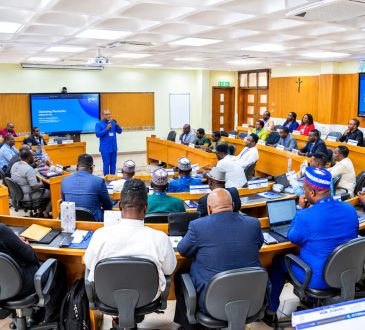
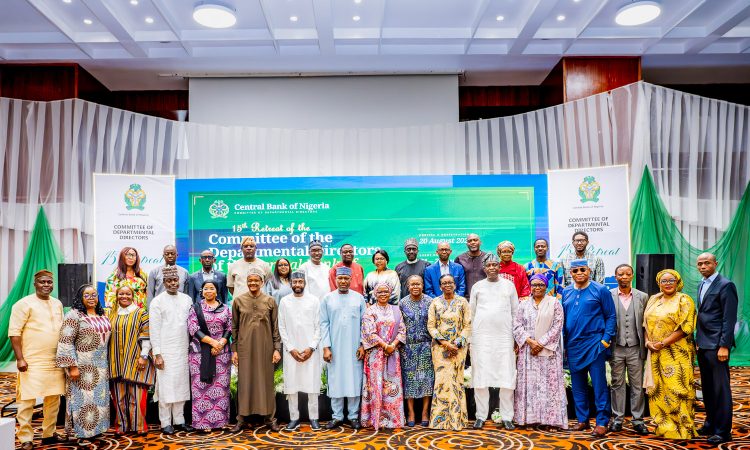
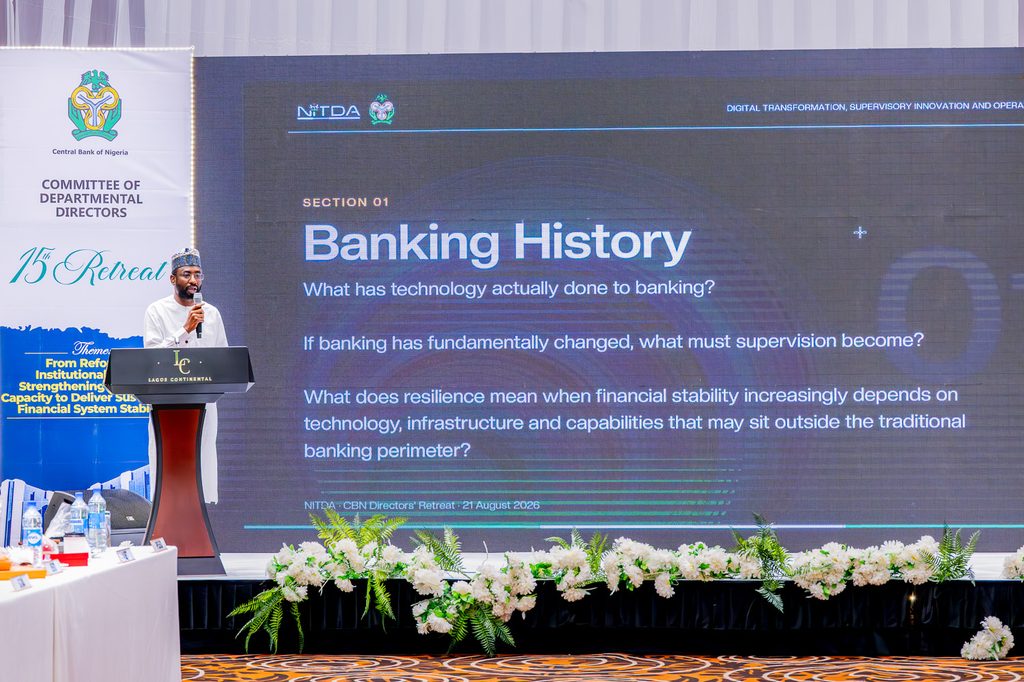
Per the statement, speaking on “Digital Transformation, Supervision, Innovation and Operational Resilience” at the 15th Retreat of the Central Bank of Nigeria Committee of Departmental Directors, themed “From Reform to Institutionalisation: Strengthening the CBN Capacity to Deliver Sustainable Financial System Stability,” in Lagos, Mallam Abdullahi said regulators must move beyond monitoring individual institutions to overseeing the entire digital ecosystem powering modern finance.
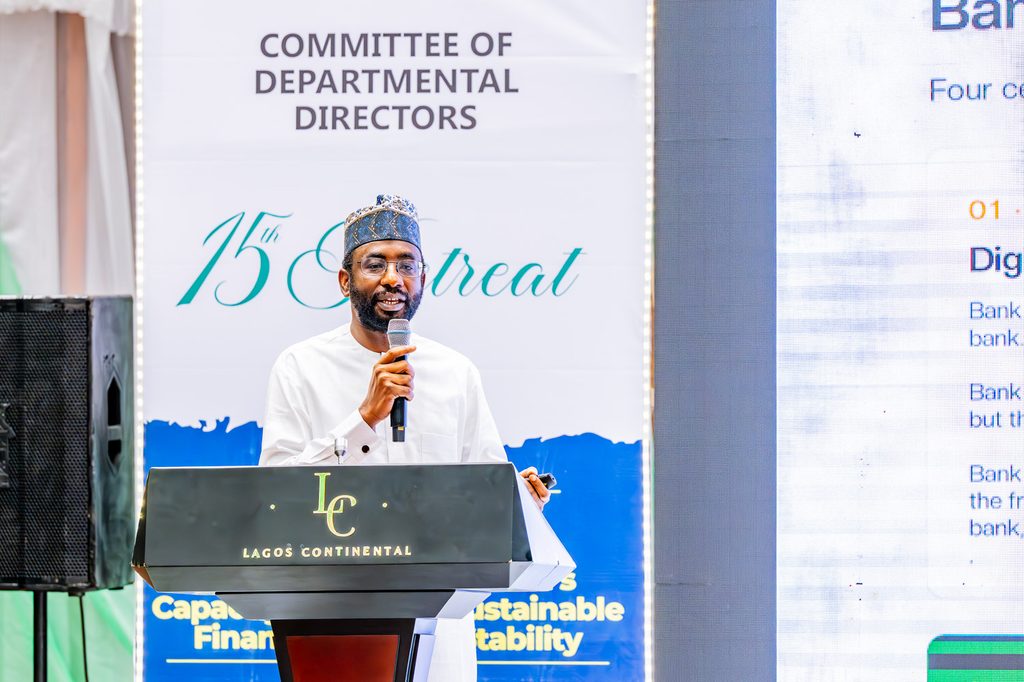
Abdullahi called for a fundamental rethinking of financial sector regulation, asserting that in an era of digital banking, financial stability was impossible without digital stability.
He said the rapid evolution of banking from physical branches to mobile platforms, fintech ecosystems and embedded finance had rendered many traditional supervisory models inadequate for current realities. “To achieve financial stability, we need digital stability. Without digital stability, today we cannot be talking about financial stability in the financial sector,” he said.
The NITDA Director-General noted that banking had progressed through multiple phases of transformation, from branch-based operations to internet banking, mobile banking and digitally embedded financial services, creating an ecosystem that now extended beyond the direct regulatory reach of financial institutions.
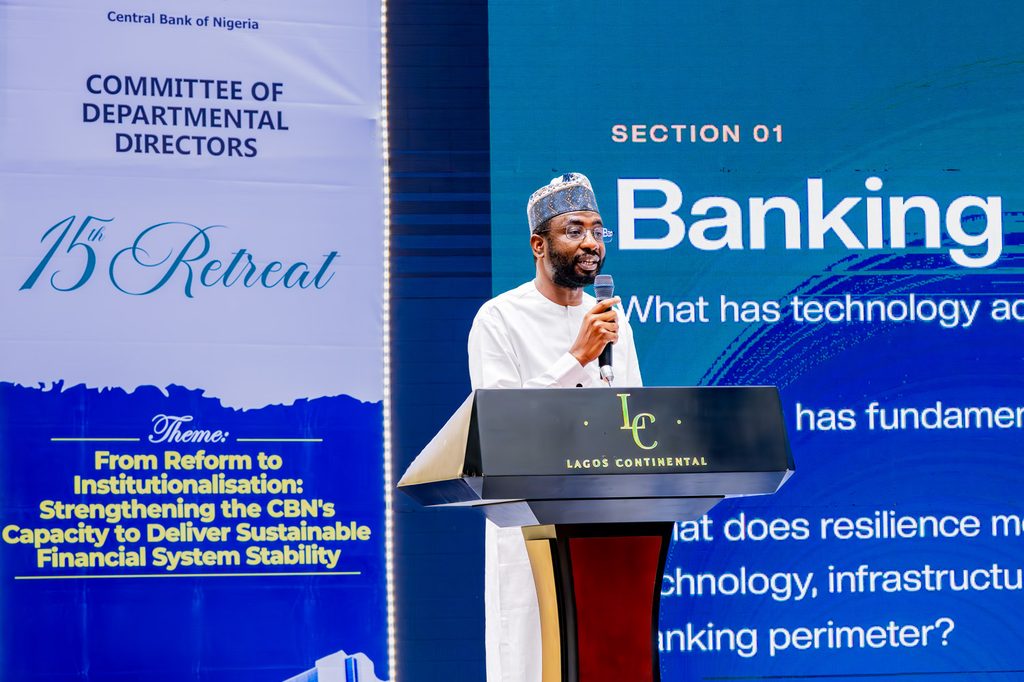
According to him, modern financial services increasingly depended on telecommunications infrastructure, cloud platforms, digital marketplaces, fintechs, data systems and emerging technologies, making it imperative for regulators to adopt a broader ecosystem approach
The NITDA boss warned that regulators could no longer rely solely on periodic returns submitted by institutions but must develop real-time visibility across the entire financial ecosystem. “We need to be ahead of the institutions we regulate. We cannot wait for regulated institutions to submit returns before we analyse and understand what is happening. We need end-to-end visibility of the ecosystem,” he stated.
The NITDA DG further distinguished between digitalisation and digital transformation, stressing that while digitalisation focused on improving existing processes through technology, digital transformation required organisations to create entirely new value propositions and operating models.
Drawing lessons from global technology disruptors, he explained that innovation thrived when institutions rethought business models rather than merely automate existing processes. He therefore urged regulators and financial institutions to embrace ecosystem-driven innovation capable of responding to rapidly changing digital realities.
On operational resilience, Abdullahi argued that resilience must go beyond conventional cybersecurity frameworks to encompass third-party and fourth-party risk management, cloud governance, data protection, artificial intelligence oversight and digital infrastructure sustainability.
He identified growing dependence on external technology providers as one of the most significant emerging risks facing financial systems globally, noting that disruptions in cloud services, connectivity infrastructure or digital platforms could have far-reaching consequences across the financial ecosystem.
Abdullahi also raised concerns about emerging cyber threats driven by artificial intelligence, warning that AI systems themselves were becoming targets for sophisticated attacks. He stressed the need for regulators and institutions to simultaneously deploy AI for defence while protecting AI-powered systems from manipulation and compromise.
He further emphasised the importance of developing local capacity, digital talent and institutional capabilities needed to drive supervision in an increasingly technology-dependent financial environment, noting that building the right skills base would be critical to strengthening Nigeria’s long-term financial resilience.
In one of the strongest messages of his presentation, the NITDA boss linked financial stability directly to digital sovereignty, arguing that nations must retain meaningful control over the digital infrastructure that powered critical sectors of their economies.
“Financial stability now depends on resilient technology and Nigeria’s capacity for digital self-determination. If we do not build, control and maintain sovereignty over critical digital infrastructure, how can we guarantee the stability and integrity of our financial system?” he said.
He concluded by urging policymakers to adopt a system-wide perspective, insisting that future supervision must focus not only on regulated financial institutions but on the entire ecosystem of technologies, platforms, infrastructure and stakeholders that collectively sustained modern banking and financial services. “The future of supervision is not merely to digitise regulation, but to digitally transform how regulators sense, understand and respond to risks across the ecosystem,” Abdullahi stated.
This, he said, was the pathway to building a resilient, secure and sustainable financial system capable of supporting Nigeria’s digital economy ambitions.
In his keynote address, the Governor of the Central Bank of Nigeria (CBN), Olayemi Cardoso, who addressed the participants virtually assured the staff that the apex bank was in a strong position following ongoing reforms and emphasised that the institution’s transformation agenda was designed to strengthen the Bank and protect career officers.
Mr. Cardoso stressed, “the Bank is in a good place” and urged employees to remain confident in the future, noting that that the real success of any reform lay in its ability to become embedded in an institution’s culture, systems and processes long after its initiators have left office.
Cardoso maintained that the CBN had recorded significant progress across several strategic areas, including the completion of a bank-wide culture survey that gave every member of staff the opportunity to contribute to shaping the institution’s future. He described culture as the foundation of lasting reforms and pledged that staff feedback would continue to drive meaningful action.
The CBN Governor also celebrated the Bank’s recent international recognition, saying the achievement was a testament to the dedication, professionalism and commitment of employees across all departments and locations while stressing that the recognition belonged to the entire workforce and not just the leadership of the institution.
In a strong message to staff, Cardoso said reforms and institutionalisation should not be seen as threats but as safeguards that strengthened the institution and created a more secure environment for career growth. “The Bank is in a good place. Our staff have nothing to fear. Reform and institutionalisation are not a threat to the career officer; they are the protection of the career officer,” he stated.
He challenged the directors to empower their teams, encourage constructive engagement and build stronger collaboration across departments, noting that a resilient and future-ready CBN would be built on the collective efforts, integrity and professionalism of its people.
On his part, the Chairman, Committee of Departmental Directors of the CBN, Jimoh Musa Itoba, charged directors of the apex bank to take greater responsibility for driving financial stability and supporting Nigeria’s economic growth, describing them as the institution’s “major anchors” and custodians of its processes, culture and institutional memory.
He said the gathering was more than an annual engagement, stressing that it was an opportunity for participants to critically examine how the CBN could contribute to advancing the economy and delivering on Nigeria’s aspiration of becoming a one-trillion-dollar economy. He noted that the responsibility for achieving that goal rested significantly on the leadership and commitment of the Bank’s directors.
“The directors are the major anchors of the Bank,” Itoba said, emphasising that employees across the institution looked up to them for direction and leadership. According to him, both the spoken and unspoken actions of directors shaped the culture and confidence of the Bank, making their role critical to the CBN’s effectiveness and credibility.
He urged participants to approach the retreat with open minds, challenge existing narratives and focus on generating practical solutions that could strengthen financial system stability and enhance public trust. “Let us be committed, let us get engaged, and make sure that at the end of this retreat, we are not only questioning what we do today but also providing solutions that management can implement,” he said.
Earlier in her welcome address, the Secretary of the Board, Committee of Departmental Directors, Rashida Monguno called on directors of the Bank to embrace innovation, strategic thinking and stronger collaboration as the institution positions itself to respond to emerging challenges and deliver on its mandate.
She stressed that the rapidly evolving operating environment demanded continuous performance review and bold solutions. According to her, the theme of the retreat was both timely and significant, coming at a period when institutions were faced with increasing expectations and complex challenges noting that the CBN must continually assess its progress, identify gaps and develop innovative approaches that would improve effectiveness, efficiency and service delivery across the institution.
While urging the participants to leverage the wealth of expertise and experience within the gathering to generate fresh ideas, share best practices and chart a clear path forward for the Bank, she maintained that “the success of our initiatives will depend on our willingness to collaborate, think strategically and remain focused on achieving measurable outcomes.,”
She expressed confidence that the retreat would produce recommendations capable of strengthening institutional performance and enhancing coordination across departments.
Monguno further charged participants to approach the retreat with a spirit of teamwork, commitment to excellence and dedication to national development, emphasising that the engagement presented a unique opportunity to foster innovation and reinforce the collective responsibility of building a stronger and more responsive Central Bank. She thereafter welcomed participants to Lagos and wished them a productive and successful retreat. -With additional reporting by Angeline Mgbele, Bureau Chief, Northern Nigeria.