
How deepfakes and AI-driven labour shifts are reshaping not just the workplace but the foundations of truth and trust
When a primetime documentary presenter turns out to be an AI-generated bot, it signals more than a gimmick, but a warning. As synthetic media and automation advance, our jobs, identities and trust in information are undergoing significant change.
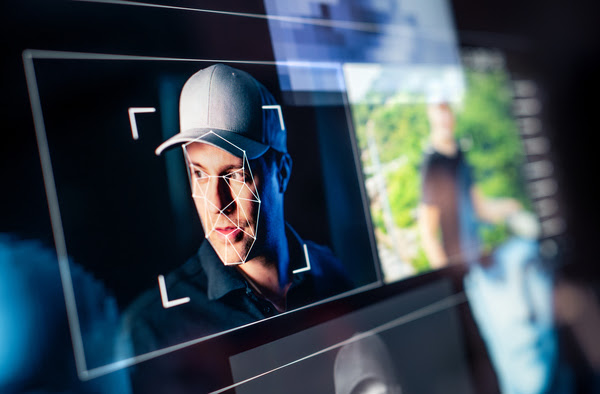
Deepfakes are videos, images or audio that can convincingly depict people saying or doing things they never said or did: producing content that “convincingly shows people saying or doing things they never did or create people that never existed in the first place,” according to one source. If someone can fake a face or voice, they can manipulate reality itself. Many people will struggle to distinguish the difference.
Europol has identified deepfakes as a significant emerging risk, with criminals using generative AI to create highly realistic fake voices and videos, making large-scale fraud and identity spoofing easier.
To help identify deepfakes, one should look for signs such as unnatural facial movements, inconsistent lighting or shadows, and mismatches between audio and video. Resources are also available online for those wishing to delve further into recognising manipulated content, empowering readers to remain vigilant against these digital deceptions.
The British broadcaster Channel 4 raised the stakes recently with an episode titled “Will AI Take My Job?” in which the host turned out to be entirely AI-generated.
More than a stunt, this was a direct call that demonstrated that roles once considered inherently “human,” such as anchoring journalists or on-camera personalities, are no longer exempt from automation or synthetic replication. The episode implicitly asked: if a realistic version of you can be generated, what remains of the real human in the job?
Furthermore, the same program showed that automation is not limited to manual roles. Fields such as fashion, medicine, law, and the creative industries are also experiencing the impact of machine competence. For instance, in the fashion industry, AI is now capable of generating innovative clothing designs that can predict and set trends.
AI has also proven to be a powerful tool across multiple sectors from diagnosing diseases with remarkable accuracy in medicine, to analysing vast bodies of case law in seconds in the legal field. These systems can enhance human capability rather than replace it.
But in the creative industries, this balance becomes far more fraught: AI-generated music, images and artwork blur the line between tool and substitute, directly competing with human creators and eroding the value of originality. The concern is not that AI exists, but that its unchecked overreach is beginning to displace the very roles, musicians, designers, illustrators, producers, that traditional creative economies rely on.
Beyond jobs: trust, identity and the convergence of image and income
The interaction between synthetic media and workforce changes creates new risks. For example, a fake interview video, a cloned voice authorizing payments, or a professional’s likeness used without consent all make previously secure aspects of identity vulnerable.
Surveys show that while few people have directly created or experienced deepfakes, most express concern about them. One UK-based study found that over 90 per cent of respondents were very or somewhat concerned about deepfakes manipulating public opinion or eroding trust.
If organizations, platforms, or customers can no longer trust that a person is genuinely human, the value of human work changes. The question itself shifts and becomes a matter of not just who performs the job, but whether the job remains distinctively human
Regulation, ethics and practical action
Governments and companies are beginning to respond. The Europol report states that addressing deepfake generation and detection must become a “top law enforcement priority.
To help mitigate the risks, individuals and organisations can take practical steps to recognise and respond to synthetic media. Deepfakes often contain subtle signs such as unnatural facial movements, inconsistent lighting or shadows, or mismatches between audio and video.
A growing number of online resources and training tools now offer guidance on identifying manipulated content, enabling users to build stronger digital literacy and remain vigilant against deceptive media. These skills are increasingly essential as synthetic content becomes more sophisticated and widespread.
Meanwhile, corporate initiatives such as provenance tools, watermarking, and responsible AI design are emerging, though efforts remain fragmented. However, many observers argue that regulation lags behind technological advances, particularly regarding the impact of synthetic media on identity, labor rights, and discrimination.
Key actions for individuals and organisations include increasing AI literacy to recognise synthetic media and job risks, practising digital hygiene by questioning information, and making strategic decisions about how human labour will adapt rather than be replaced. To take concrete steps towards these goals, readers can start by using fact-checking tools to verify the accuracy of information.
Attending AI literacy workshops can provide invaluable insights into the latest developments and help you stay informed. Furthermore, consider engaging with online courses or seminars that focus on digital security and career adaptation strategies, enabling you to thrive in this dynamic environment.
In other words, safeguarding does not mean resisting automation entirely, but guiding it so that humans retain roles where nuance, trust, and identity are essential, and we collectively work towards those values.
Recognising opportunity without losing what makes us human
Most stories about AI and automation focus on lost jobs. But there’s more to it: authenticity, identity, trust, and what it means to really do a job or be seen as yourself. The Channel 4 experiment shows, in a brilliant way, how machines work, but it also highlights that exactly those machines are stepping into roles we thought were ours alone, and we were firm believers in that for the longest time.
As we enter this new era, the question is how to maintain the integrity of our work, protect our identities, and ensure the accuracy and honesty of our news and media.
But in the end, the answer isn’t to turn away from technology, it gives us a space to double down on what makes us human: empathy, good judgment, context, and trust.
When it’s easy to fake almost anything, being real becomes a whole other matter, which is beyond being important. If we’re creative and resilient, we can find ways to thrive, not just survive, as technology continues to evolve around us. By staying true to what people do best, we can ensure the future works for us, not the other way around.