By Clifford Agugoesi, Editor-in-Chief
TELECOMMUNICATIONS REGULATOR, the Nigerian Communications Commission(NCC) , in a move akin to what, within business circles, is known as SWOT(strength, weakness, opportunity, threat) analysis, last year, carried out a regulatory impact assessment(RIA) on eight(8) of its regulatory instruments, otherwise known as subsidiary legislations. The instruments covered the followings: Annual Operating Levy(AOL), Administrative sanctions, Spectrum Trading/Leasing, SIM/NIN Registration/SIM Replacement, Capacity Building for Investigative and Prosecutorial Agencies, National Roaming and Infrastructure Sharing/Colocation.
Now, the report was released early Thursday, by the Commission, in a hybrid (in-person and virtual) Stakeholder Engagement Forum on the seminal Regulatory Impact Assessment exercise.
The event featured three main presentations thus:
*The Opening Speech of the EVC of NCC, Dr. Aminu Maida
*The Welcome Address by the NCC’s Head of Legal and Regulatory Services, Mrs. Chizua Whyte; and
*A Presentation made at the event speaking to the eight (8) regulatory instruments on which the RIA was carried out.
In her opening remarks, Head, Legal & Regulatory Services at NCC Mrs. Chizua Whyte stated that today marked a significant milestone in the Commission to ensure that its regulatory frameworks remained effective, relevant, and forward-looking. “This RIA is first of its kind and an evolutionary change to the rule-making processes of the Commission,” Mrs. Whyte said.
She gave an insight into the RIA process: “Therefore, this Forum is not just the results of months of rigorous work, analysis, and stakeholder input, but a reflection of our commitment to evidence-based regulation and continuous improvement. The RIA has served as a vital tool in assessing the efficiency and impact of key subsidiary legislations governing the Nigerian Communications Sector. As many of you are aware, the Commission has, over time, developed a range of regulations and guidelines to guide service delivery across the industry. However, with evolving technologies and policy priorities, it has become important to take a critical look at our existing regulatory instruments. The RIA process enabled us to evaluate what is working well, what requires enhancement, and where changes are necessary.
“The assessment focused on critical areas such as licensing, SIM registration, subscriber management, spectrum trading, enforcement procedures, and infrastructure sharing. Through this review, we have identified opportunities to streamline processes, clarify obligations and remove outdated provisions that may hinder innovation or investment.”
According to Whyte, what distinguished this RIA was the depth of collaboration it entailed. Said she: “We drew insights not only from internal analysis but also from the invaluable feedback of industry stakeholders. Their practical perspectives and constructive contributions helped shape the recommendations that we present today.
As Head of Legal and Regulatory Services, I am proud of the role our department has played in championing this initiative. The successful completion of this RIA demonstrates our unwavering dedication to building a regulatory environment that supports innovation, fairness, and transparency. As we transition into the next phase, the outcomes of this assessment will guide the Commission’s regulatory review and reform agenda. They will form the basis for amending and updating relevant subsidiary legislation to better align with current realities and future aspirations.”
Welcoming guests at the hybrid event, the Executive Vice Chairman/CEO, Nigerian Communications Commission, Dr. Aminu Maida explained that the RIA was an innovation to the Commission’s rule-making process and another avenue for participatory regulatory engagement of all stakeholders.
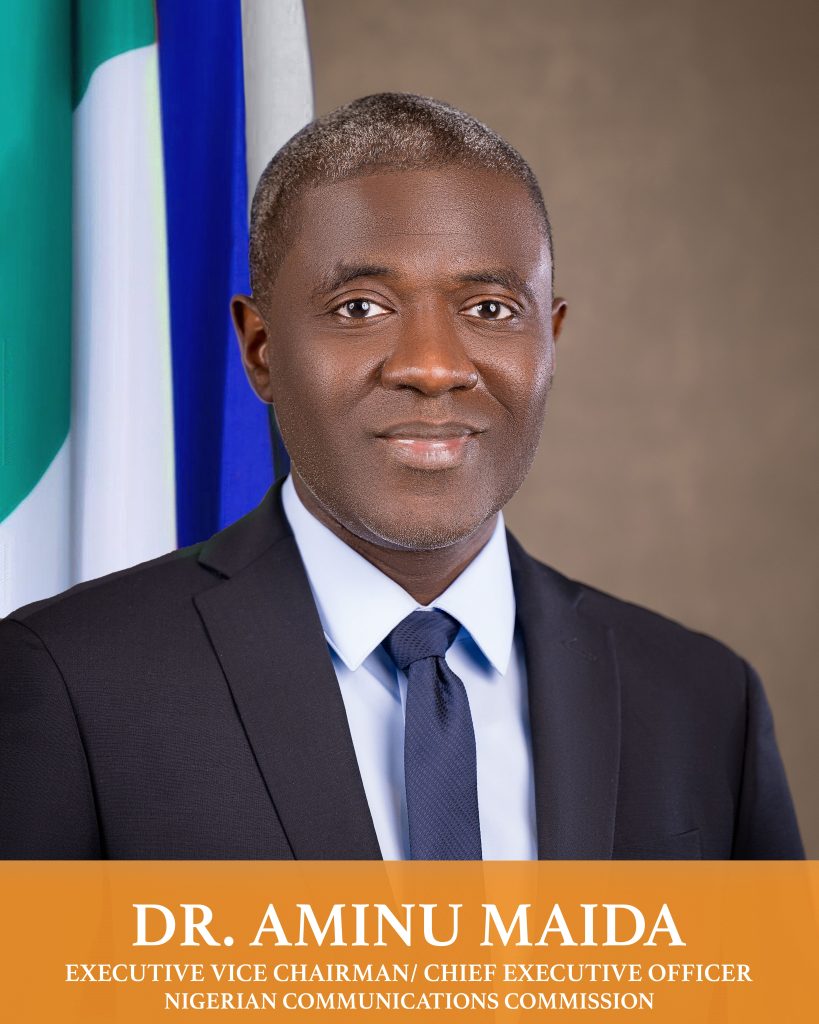
The process of this Regulatory Impact Assessment, Dr. Maida said, took into consideration the three Strategic Focus Areas of the Commission.
His words: “First, the Consumers. It goes without mention that the Commission places consumers at the centre of its regulation of the telecommunications industry. They are key to the issuance and implementation of our Subsidiary Legislations. It is therefore critical to the RIA process to review the impact of these legislations that border on consumer satisfaction and Quality of Experience (QoE).
“Secondly, the RIA aims to evaluate the impact of Subsidiary Legislations on licensees and
the market—these are the second strategic focus area of the Commission. This evaluation is
important in determining the adaptability and agility of these legislations in reducing barriers
to market entrance, entrenching fair competition in the market and facilitating effective and
efficient utilisation of scarce resources.
“The final strategic focus area that relates to the RIA is the Government—the overarching
stakeholder and major driver of policies and national objectives. The RIA reviewed the impact
and opportunities of these legislations on driving governmental objectives and meeting policy
expectations.”
According to the nation’s chief telecoms regulator, the essence of the Regulatory Impact Assessment was to provide the telecommunications ecosystem with opportunities to participate in evaluating regulations, which when drafted well, safeguarded the public interest, stimulated innovations and facilitated investment in the Market.
The RIA process, according to Maida, provided major stakeholders with an opportunity to offer feedback, as well as recommend areas for review and improvement that would enhance legislations. These enhancements, he added, would ensure the effective application and implementation of these Subsidiary Legislations.
Said he: “The Commission remains committed to fostering a fair, transparent, and consumer-centric telecommunications landscape. Today’s discussions—on the report of the RIA, its outcomes and recommendations—are critical to refining our policies and ensuring that our regulatory approach aligns with the dynamic nature of the industry as well as shape regulatory practices for years to come.
“This engagement provides us an opportunity to look at the recalibration of the Commission’s
strategic focus areas and determine whether the expectations of our major stakeholders are
being met.
Let us therefore, scrutinise rigorously, listen to diverse viewpoints respectfully and stay
focused on the ultimate objective, which is to develop and build a regulatory framework that
promotes growth and ensures market sustainability. I encourage open and constructive
engagement, as your insights will be invaluable in shaping the rule-making process and
deepening the development, review and implementation of subsidiary legislations.
Your presence and participation here today is highly appreciated. I look forward to productive
discussions, diverse viewpoints and meaningful outcomes that will strengthen market rules,
cement consumer trust, provide regulatory clarity and enhance the agility and adaptability of
subsidiary legislations.”
Subsidiary Legislations also known as delegated or subordinate legislation, refers to laws made by bodies or individuals who have been granted the authority to do so by a parent or principal act of parliament. It provides the detailed rules and regulations needed to implement the broad principles established in the primary legislation. The NCC operations are governed by the provisions of the Nigerian Communications Act, 2003.
We shall serve you the salient aspects of the presentation made at the event speaking to the eight (8) regulatory instruments on which the RIA was carried out, shortly. –With additional reporting by Angeline Mgbele, Bureau Chief, Northern Nigeria.