At GITEX 2025, NITDA DG Says Nigeria Positions Itself As Africa’s AI Powerhouse


By Ron Chen, Bureau Chief, Asia
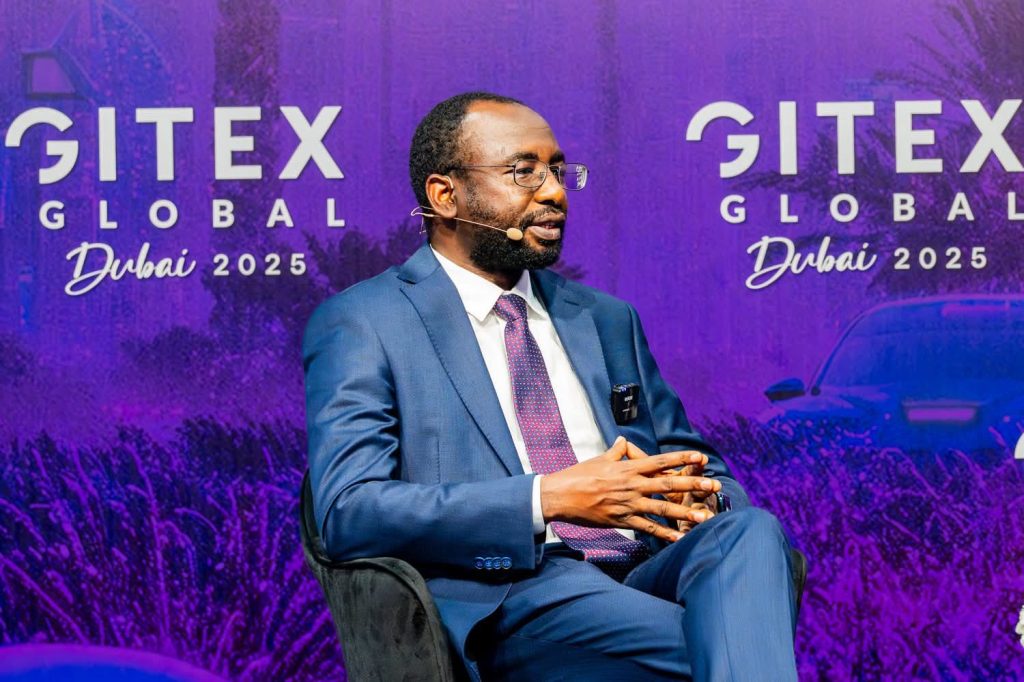
The Director-General, National Information Technology Development Agency (NITDA), Mallam Kashifu Inuwa Abdullahi, has reaffirmed Nigeria’s commitment to leveraging Artificial Intelligence (AI) for national development, innovation, and global competitiveness during a Fireside Chat at the AI Stage of the Gulf Information Technology Exhibition (GITEX) 2025 in Dubai.
According to a press statement e-signed by the Director of Corporate Communications & Media Relations at NITDA, Hajia Hadiza Umar, speaking on the theme of Nigeria’s AI journey, Mallam Abdullahi emphasised that the country’s approach to adopting AI was deliberate and strategic. “Our vision is clear on how we can harness the transformative power of AI through responsible, ethical, and inclusive innovation to foster sustainable development through collaboration,” Abdullahi said.
The NITDA boss explained that Nigeria’s AI strategy was built upon five guiding principles: responsibility, ethics, inclusivity, sustainability, and collaboration. According to him, “these are not just words, they are our compass. Everything we are doing in AI must reflect these values. We are not just building systems; we are shaping a future that works for everyone.”
He outlined that the National AI Strategy was structured around three key objectives and five strategic pillars aimed at building foundational infrastructure, strengthening the ecosystem, accelerating adoption across critical sectors, promoting responsible and ethical AI, and ensuring effective governance.
Highlighting the impact of AI across sectors, Abdullahi noted that the technology was already driving transformation in agriculture, healthcare, education, and finance.
“In agriculture, we are helping farmers make informed decisions using real-time data on soil, weather, and crop health. In healthcare, AI is enabling faster diagnosis and extending services to rural areas. In education, we are embedding AI literacy into formal learning so our young people are not left behind. And in finance, AI tools are detecting fraud, improving credit access, and driving financial inclusion,” he said.
He further explained how the Nigerian government was exploring AI applications to enhance public services, envisioning a future where citizens could obtain passports or business permits in minutes rather than weeks.
“AI can help make that a reality. We see it as an opportunity to rebuild trust between government and citizens by making public services smarter, faster, and more transparent,” he added.
Abdullahi revealed that 70 per cent of Nigeria’s online population already used generative AI tools, surpassing the global average of 48 per cent, attributing this to the nation’s youthful population and proactive investment in digital talent.
He cited flagship initiatives such as the Digital Literacy for All programme (DL4ALL) which targeted 95 per cent national digital literacy by 2030; the 3 Million Technical Talent (3MTT) programme, one of the world’s largest digital upskilling projects; and a new policy digital literacy integration into all levels of education.
The NITDA boss also unveiled Nigeria’s plan to develop its indigenous Large Language Model (LLM), known as M-ATLAS.
“Nigeria has over 500 languages and countless dialects. If we rely only on foreign AI models, they won’t understand our nuances, culture, or people. That is why we are building M-ATLAS, an indigenous LLM that reflects our diversity and eliminates bias. We want an AI that understands the meaning of ‘akwa’, ‘ekaabo’, or ‘sannu,’ not just translates them,” he said.
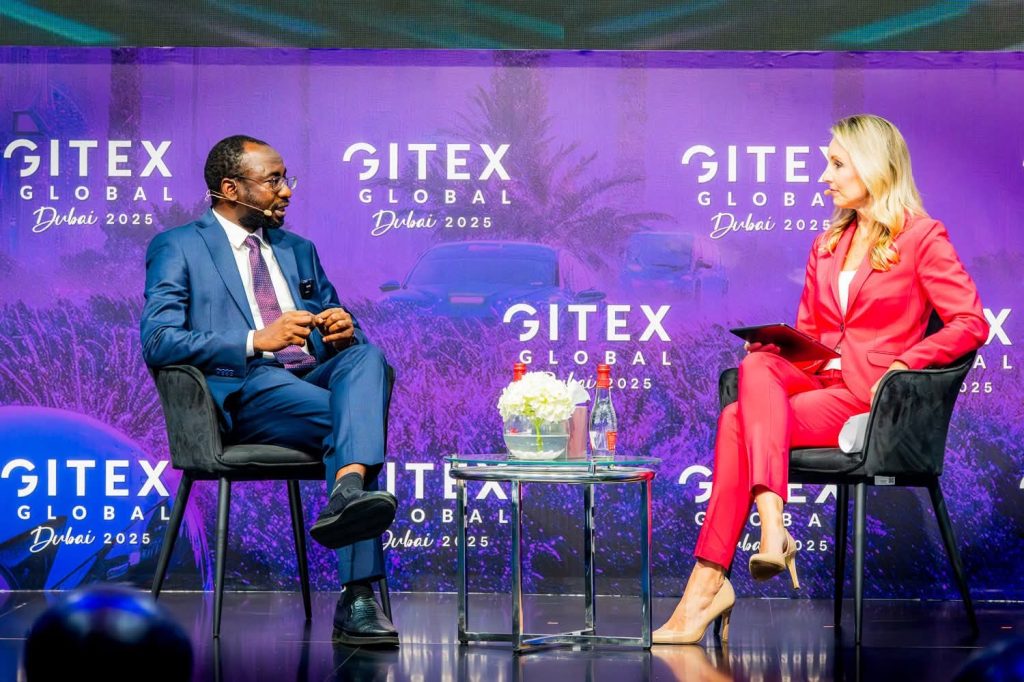
Reflecting on Africa’s potential, Abdullahi drew parallels with the continent’s technological leap in mobile adoption, asserting that Africa could surpass that success in AI. “The difference this time is that we are building from within, shaping the rules, not catching up with them.”
“AI is not about machines replacing humans; it is about amplifying human potential. It is strategy first, technology second. Our mission is to use AI responsibly to drive prosperity, inclusivity, and sustainable development. If we get it right, AI can help Nigeria achieve tenfold or even hundredfold improvement in productivity and innovation. That is the future we’re building,” he concluded.