
By Clifford Agugoesi, Editor-in-Chief
Listen up, if you are a telecommunications services subscriber in Nigeria. The transition to the End-User Billing (EUB) model for Unstructured Supplementary Service Data (USSD) services starts today Wednesday, June 19, 2025.
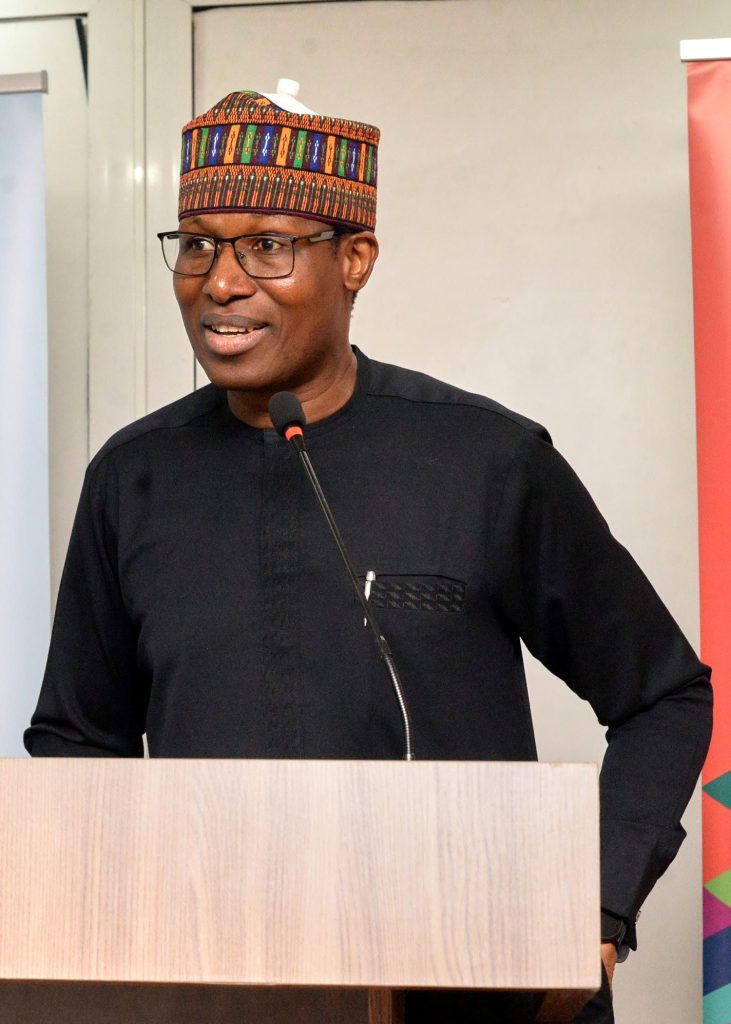
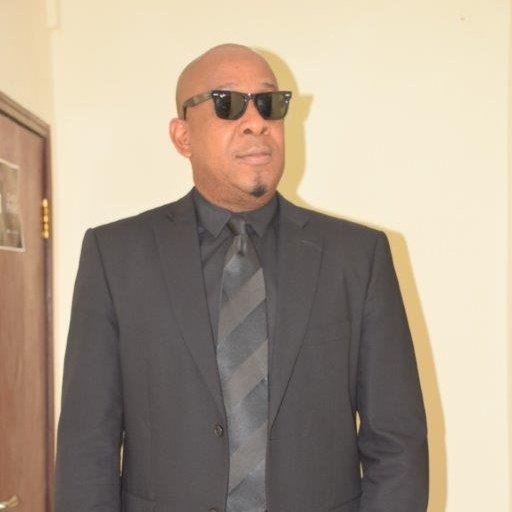
This development follows a press statement just received from telecommunications advocacy body, the Association of Licensed Telecommunications Operators of Nigeria(ALTON), e-signed by its Chairman, Engr. Gbenga Adebayo and Publicity Secretary, Damian Udeh , respectively.
The statement reads in part: “This transition marks a significant milestone in the evolution of Nigeria’s digital financial ecosystem and is being implemented per the Determination of USSD Pricing and Services issued by the Nigerian Communications Commission (NCC). The Determination was developed in collaboration with the Central Bank of Nigeria (CBN) and other key stakeholders to ensure a sustainable, transparent, and customer-friendly framework for USSD service delivery,” stated ALTON
USSD services play a vital role in expanding access to financial services, particularly for unbanked and underbanked populations. However, the previous corporate billing model—where banks were billed by telecom operators—led to prolonged disputes over unpaid charges, service interruptions, and uncertainty for customers. To address these challenges, the NCC’s 2025 Determination introduced the End-User Billing model, which allows mobile network operators to charge customers directly for USSD sessions.
“To achieve the implementation of the EUB model, the CBN and NCC have stipulated that only banks that meet certain regulatory and operational conditions are permitted to migrate. One of which is the notification to customers of the billing change in advance, and to ensure that customers are fully aware of the new airtime-based charges and how they will be applied. Accordingly, under the new billing model, USSD charges will be deducted directly from the customer’s airtime balance, not from their bank account, and each USSD session will attract a charge of ₦6.98 per 120 seconds. To enjoy the service, customers will receive a prompt to opt in and approve the charge before any deduction is made, and there will be no double billing as billing will only occur for successful sessions via airtime deductions. ALTON wishes to reiterate that this change does not affect the availability or functionality of USSD banking services, as customers can continue to use their bank’s USSD codes as usual, provided they have sufficient airtime. “
To ensure a smooth transition, ALTON advises customers to follow these support guidelines:
*For access issues (e.g., inability to dial USSD codes), contact your mobile network operator.
*For transaction-related issues (e.g., failed transfers or service errors), contact your bank’s customer service.
*Both banks and mobile network operators are required to provide responsive support and ensure that customers can access and use USSD services without disruption.
Alternative digital banking channels such as mobile apps, internet banking, and ATMs remained fully operational and available for customer convenience, said ALTON.
ALTON reiterated its commitment to working closely with the NCC, CBN, financial institutions, and other stakeholders to ensure that this transition was seamless, equitable, and beneficial to all parties, especially the end users, while pledging to promote transparency, operational efficiency, and consumer protection across Nigeria’s telecommunications and digital finance sectors.
Recall that the National Association of Telecoms Subscribers(NATCOMS), among other advocacy groups, have kicked against billing consumers directly from their airtime, arguing this would amount to double suffering on the part of consumers, who had barely recovered from the recent 50 per cent tariff hike allowed operators by the regulator, instead of the 35 per cent favoured by NATCOMS.

In an exclusive interview with us earlier, NATCOMS President Chief Deolu Ogunbanjo, appealed to the NCC not to allow consumers go through another stress by having USSD deducted directly from their airtime, arguing that as an independent and highly consultative umpire, the NCC must ensure the protection of all stakeholder interests, especially consumers.
Chief Ogunbanjo threatened that his association would go to court to seek justice if the regulator stuck to its guns.-Additional reporting by Kingsley I. Ilechukwu, Bureau Chief, South West, Nigeria