Remita Pushes For Increased Investment In Digital Infrastructure To Boost Financial Inclusion

By Kingsley I. Ilechukwu, Bureau Chief, South West, Nigeria
Remita has called for increased investment in digital infrastructure, cybersecurity and financial inclusion, warning that Nigeria’s growing digital economy will remain out of reach for millions unless the country’s widening digital divide is addressed.
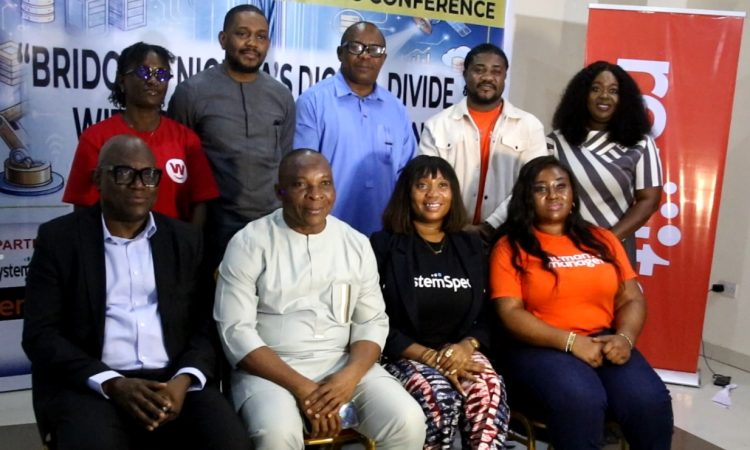
The call was made by Divisional Head, Financial Industry Partnerships at Remita, Lanre Idowu during the Nigeria Information Technology Reporters Association (NITRA) Innovative and Scientific Conference held on Thursday in Lagos.
According to Mr. Idowu, despite projections that Nigeria’s digital economy could reach US$18.3 billion by the end of the year, millions of Nigerians remained excluded from the opportunities it offers due to inadequate connectivity, affordability challenges and limited digital access.
Idowu described Nigeria’s digital transformation as “two Nigerias” one recognised globally for innovation and another still constrained by poor broadband infrastructure and unequal access to digital services.
Investment needed to close digital divide
He noted that Nigeria had built one of Africa’s fastest growing fintech ecosystems, with instant payments becoming the standard for individuals, businesses and governments, while local technology startups continued to earn global recognition.
However, he said broadband penetration remained uneven, internet access was still limited in many underserved communities and the rising cost of digital connectivity continued to widen the inclusion gap.
“The country’s digital divide should be viewed as an opportunity divide because millions remain excluded from education, healthcare, financial services and economic opportunities,” he said.
He added that digital products should be designed to accommodate different languages, literacy levels, income groups and device types from the outset to ensure broader adoption.
According to him, connectivity, affordability, digital literacy, access to devices and trust were the five major barriers slowing inclusive digital transformation in Nigeria.
Trust remains critical
Idowu said trust continued to be a major challenge, as many Nigerians still lacked confidence in digital platforms when transactions failed or dispute resolution mechanisms were ineffective.
Reflecting on the evolution of Nigeria’s financial services sector, he recalled that banking was once largely manual, requiring customers to fill paper forms and spend hours in banking halls before transactions could be completed.
He noted that clearing an outstation cheque previously took between five and 15 working days, but innovations such as Automated Teller Machines (ATMs), mobile banking, agency banking, USSD services and digital payment platforms had transformed financial services by making geography and time less significant.
“The future of Nigeria’s digital economy depends not only on innovation but also on inclusion. When technology becomes accessible to everyone, regardless of geography or income level, we truly begin to bridge the digital divide,” he said.
Collaboration drove fintech growth
Idowu attributed the success of Nigeria’s fintech industry to collaboration among government, regulators, banks, telecommunications operators, fintech companies, consumers and the media.
He said government had provided policy direction, regulators had established frameworks that encouraged responsible innovation, banks pioneered digital financial services and telecom operators expanded connectivity across the country.
While noting that USSD banking was introduced to extend financial services to Nigerians without smartphones or internet access, he expressed concern that rising USSD transaction charges could discourage adoption among low income users and undermine financial inclusion.
“No single institution built Nigeria’s fintech ecosystem alone. Government, regulators, banks, telecommunications operators, fintech innovators, consumers and the media all contributed to the progress we see today,” he said.