
By Kingsley I. Ilechukwu, Bureau Chief, South West, Nigeria
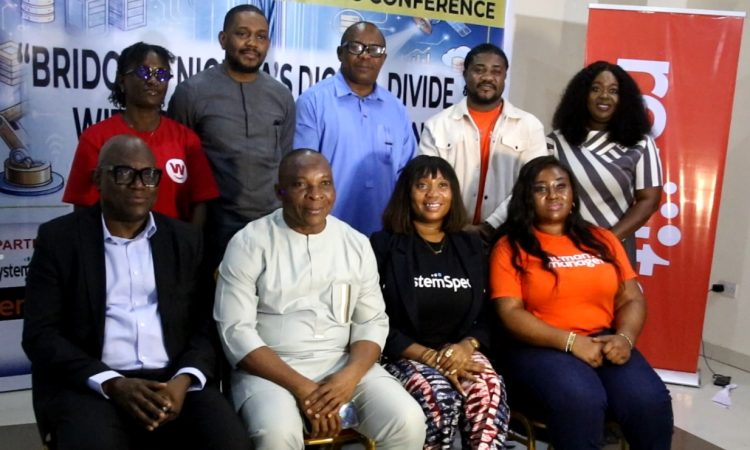
How to bridge the yawning digital divide in the country took centre stage as the Nigeria Information Technology Reporters Association of Nigeria(NITRA) rallied stakeholders to its Innovative and Scientific Conference 2026, held last Thursday, at the Citiheights Hotel, Ikeja, Lagos, south west, Nigeria, themed “Bridging Nigeria’s Digital Divide with Scientific Innovation.’’
“The digital divide in Nigeria is not just about infrastructure—it’s about ensuring that our digital
transformation is truly inclusive. We cannot build a knowledge-based economy if we leave millions
of our citizens behind,” stated Chairman of NITRA, Chike Onwuegbuchi, in his welcome address.
Per Mr. Onwuegbuchi: “The economic implications of Nigeria’s digital divide extend far beyond individual inconvenience.
Research conducted by the Nigerian Economic Summit Group estimates that full digital inclusion
could add US$88 billion to Nigeria’s GDP by 2030, representing approximately 15 per cent of the country’s current economic output.
Small and medium enterprises (SMEs), which constitute 96 per cent of Nigerian businesses and employ 84 per cent of the workforce, face particular challenges. Many rural-based SMEs cannot access e-commerce platforms, limiting their market reach and growth potential.
Bridging the digital divide means reducing the gap between people who have access to digital technology and the internet and those who do not.
It involves ensuring that everyone has:
*Access to affordable internet.
*Digital devices such as smartphones, tablets, or computers.
*The skills to use technology effectively (digital literacy).
*Equal opportunities to benefit from online education, healthcare, banking, jobs, and government
services.
Example: If a rural community receives reliable internet service and residents are trained to use
computers and online services, that helps bridge the digital divide.
In simple terms, bridging the digital divide means making sure everyone can access and use digital
technology, regardless of where they live or their income.
Is this the case in Nigeria today? This is why we selected this topic for discussion at this event.
We carefully selected ICT stakeholders to do justice to this topic for better understanding. We have
the industry regulator, NCC, operators, mobile phone company, financial technology company, ICT
system integrator, Cybersecurity/artificial intelligence expert and above all ICT infrastructure provider.
At the end of this conference we are going to have a better understanding of this issue from different perspectives.”