FinCEN Analysis: Financial Institutions Flagged Nearly US$5 Billion Linked To Suspected Human Smuggling

By Godson Umejiego, Bureau Chief, The Americas
The US Department of the Treasury’s Financial Crimes Enforcement Network (FinCEN) has issued a Financial Trend Analysis showing that financial institutions flagged nearly US$5 billion linked to suspected human smuggling over a three-year period.
The report, which analyzed patterns and trends identified in Bank Secrecy Act (BSA) data between 2023 and 2025, identified several consistent indicators, including unverifiable relationships between originators and beneficiaries, transactions sent along common migration routes, and excessive cash activity conducted along the southwest border of the United States.
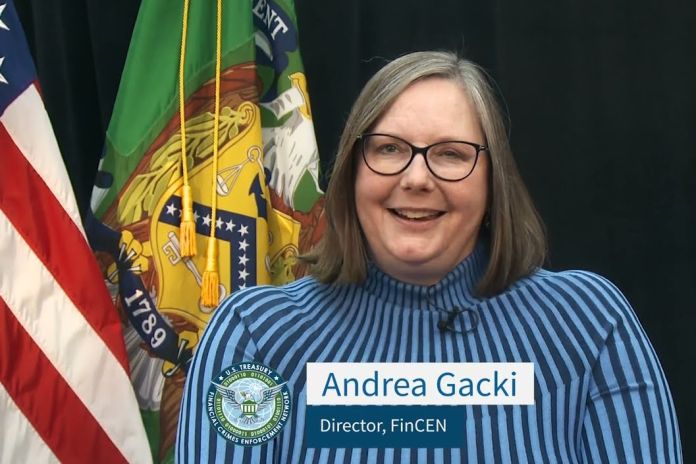
“Many human smuggling networks generate profit for larger transnational criminal organizations, including Mexico-based drug cartels,” said FinCEN Director Andrea Gacki. “Suspicious activity flagged by financial institutions provides critical information, and we will continue to work closely with both the private sector and law enforcement to dismantle human smuggling networks and protect our borders.”
FinCEN’s analysis of 67,540 BSA reports associated with suspected human smuggling between 2023 and 2025 and found the following prominent trends:
*Suspected Human Smuggling-Related BSA Reports Declined Significantly in 2025
*Suspected human smuggling-related BSA reports peaked in 2024 before significantly decreasing in 2025 by 62 per cent.
The United States ranked first for subject locations by country, followed by four Latin America nations: Mexico, Guatemala, Honduras, and Colombia.
Money Services Businesses (MSBs) Filed the Vast Majority of BSA Reports Potentially Related to Suspected Human Smuggling Activity
Approximately 97 per cent of the BSA reports in the dataset were filed by MSBs, with subjects primarily located in the United States and Latin America.
MSBs reported similar descriptions of potential connections to human smuggling, such as transactions outside of a customer’s usual pattern, money sent to locations along common migration routes, and suspected structuring of transactions to avoid recordkeeping and reporting requirements. The majority (59 per cent) of their reports indicated no verifiable familial connection between the transaction originator and beneficiary as a basis for filing.
Depository Institutions Filed Fewer BSA Reports Related to Suspected Human Smuggling Activity but Had a Higher Total Suspicious Activity Amount
Depository institution filings represented approximately 3 per cent of the total dataset, however, the suspicious activity amounts in their reports accounted for approximately 61 per cent of the total amount.
Depository institution reports highlighted several typologies indicative of potential human smuggling-related financial activity, such as suspected structuring of cash transactions, funnel accounts receiving funds from numerous individuals, and travel agencies arranging travel for migrants—ranging from sham operations to legitimate businesses that may be unwittingly facilitating such activity.