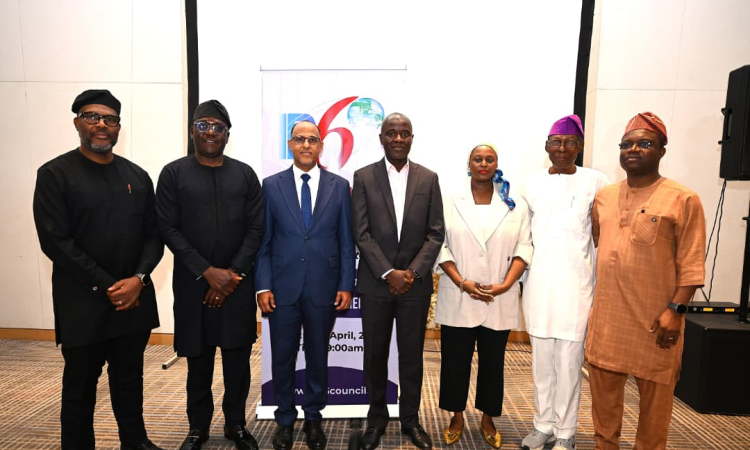

By Cyber Era NG Special Correspondent
The Marriott Hotel, Ikeja, Lagos State, south west, Nigeria, was the venue of the inauguration of the National Internet Protocol Version 6 Council, earlier today.
The event was graced by high profile digital economy stakeholders including but not limited to: Council Member, National Internet Protocol Version 6 (IPv6) Tony Emoekpere; Executive Commissioner Technical Services, Nigerian Communications Commission, NCC Engr. Abraham Oshadami; National President, IPv6 Council Muhammed Rudman; Executive Vice Chairman/CEO,NCC Dr. Aminu Maida; Executive Commissioner Stakeholder Management, NCC Barr. Rimini Makama; National Vice President, IPv6 Council Dr. Chris Uwaje; President, National Internet Registration Association, NiRA/ Council Member Adesola Akinsanya.
Internet Protocol Version 6 is the latest version of the Internet Protocol (IP), designed to address the limitations of IPv4, particularly the issue of address exhaustion. IPv6 was developed by the Internet Engineering Task Force (IETF) and became a Draft Standard in December 1998. It was ratified as an Internet Standard on July 14, 2017.
Larger Address Space
IPv6 uses 128-bit addresses, allowing for approximately 3.4 × 10^38 unique addresses. This is a significant increase compared to the 32-bit address space of IPv4, which supports around 4.3 billion addresses. The larger address space simplifies address allocation and supports hierarchical address allocation methods, reducing the size of routing tables.