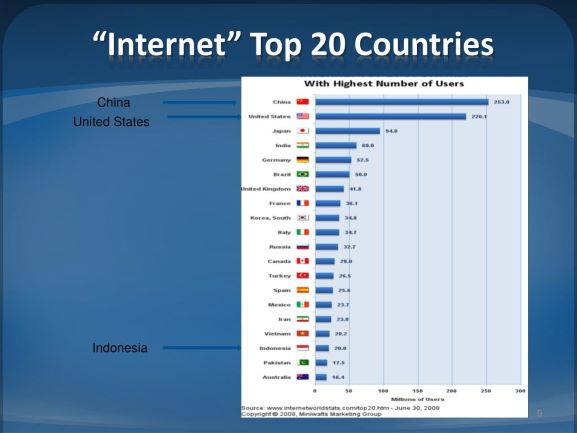

The race for telecoms supremacy is a global contest that has seen a significant surge in recent years. As the world becomes increasingly interconnected, the importance of a robust and efficient telecommunications infrastructure cannot be overstated. This article takes a deep dive into the top 20 countries leading the charge in this critical sector.
At the forefront of this race is China, with its telecoms industry being one of the most advanced in the world. The country’s rapid technological advancements, coupled with a vast population, have propelled it to the top of the list. China’s telecoms giants, such as Huawei and ZTE, are not only dominating the domestic market but also making significant inroads internationally.
Following closely behind China is the United States. The US has been a long-standing powerhouse in the telecoms sector, with companies like AT&T, Verizon, and T-Mobile leading the charge. The country’s strong emphasis on innovation and technological advancement has kept it at the forefront of the telecoms race.
Europe is also a significant player in the telecoms sector, with countries like Germany, the United Kingdom, and France featuring prominently in the top 20. These countries have a well-established telecoms infrastructure and are home to some of the world’s leading telecoms companies, such as Deutsche Telekom, Vodafone, and Orange.
Japan and South Korea, known for their technological prowess, are also key players in the telecoms race. These countries have been pioneers in the development and deployment of advanced telecoms technologies, including 5G. Their telecoms companies, such as NTT Docomo and SK Telecom, are renowned for their innovative approaches and cutting-edge services.
Emerging markets are also making their mark in the telecoms sector. Countries like India, Brazil, and South Africa have seen significant growth in their telecoms industries in recent years. This growth is driven by a combination of factors, including increasing internet penetration, growing smartphone usage, and government initiatives to improve telecoms infrastructure.
However, the race for telecoms supremacy is not just about size and scale. It’s also about quality and innovation. Countries like Sweden, Finland, and Singapore may not have the largest telecoms industries, but they are recognized for their high-quality services and innovative approaches. These countries have been at the forefront of developments in areas such as 5G and the Internet of Things (IoT).
The race for telecoms supremacy is a dynamic and ever-evolving contest. It’s a race that is not just about who has the most subscribers or the largest network. It’s about who can provide the best services, who can innovate the most, and who can meet the changing needs of consumers and businesses in an increasingly digital world.
In conclusion, the race for telecoms supremacy is a global contest with many players. From established powerhouses like China and the US to emerging markets like India and Brazil, and innovation leaders like Sweden and Singapore, the race is on. As the world becomes more interconnected, the importance of a robust and efficient telecommunications infrastructure will only continue to grow. The countries that can best meet this challenge will be the ones that lead the way in the race for telecoms supremacy.